


Over the last few years, we’ve noticed a critical change when looking at CO2 spend and supply for retailers such as restaurants, convenience stores, and gas stations: the CO2 invoices for this sector have increased by 15+% on average annually due to additional fees.

What are they? When are they safe in application? How do they work? Where are they used? We answer all these questions in our Proper Operations of Liquid Dewer training material.

Medical gas is a critical component of the medical industry. From liquid nitrogen-powered cryo-freezers to portable O2 cylinders, gas is the fuel that drives healthcare.
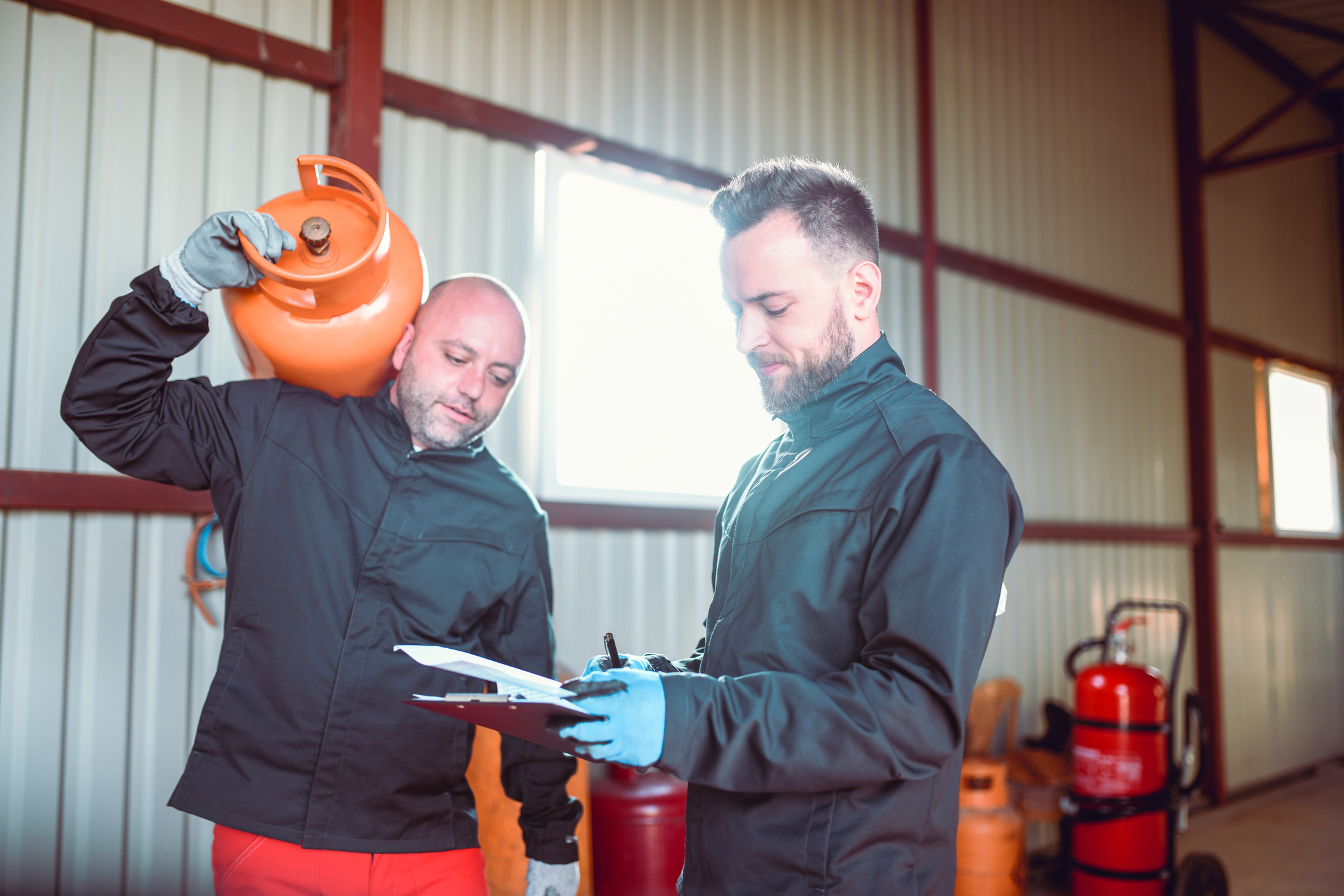
A number of contractors use welding gases, so if they aren’t buying it from you, they are in a competitor’s store buying it from them.

As a single-source gas provider, we combine technology and a reliable network of suppliers across 4,000+ locations to deliver products locally and support organizations nationally.
Gas is the fuel that drives our daily lives. It’s the bubbles that carbonate our drinks; the oxygen that saves a patient’s life.
EspriGas works with large companies from CO2 suppliers to beer gas suppliers with numerous locations in the beverage sector and channel partners with access to single-site locations.

Blue Pearl — a 24-hour emergency veterinary service providing specialty medicine for pets in veterinary hospitals across the United States — was paying their gas supply invoices without any checks and balances.

Avalon Health Care Group — a skilled nursing and senior living provider with over 50 communities nationwide needed assistance managing their gas program.

Used in the construction industry for cutting, welding, brazing, and heat treating at very high temperatures, acetylene (C2H2) provides the hottest flame of all gases.
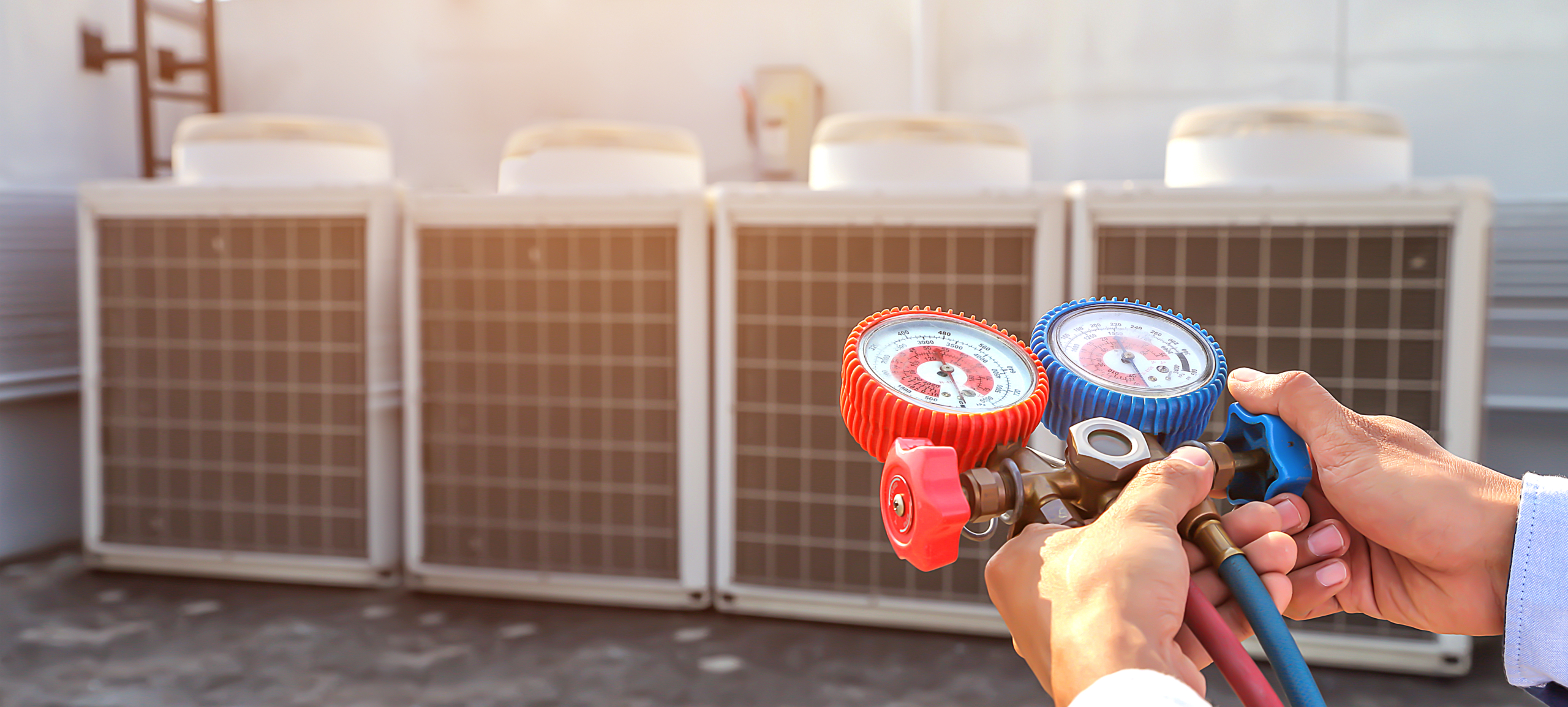
Industrial gas and its providers play an integral role in powering businesses.
